
"Zimbabwe coffee origin"
300 article(s) found

Costa Rica of 53 Coffee Origin in the World
Costa Rica, with its fertile volcanic soil and good drainage, is the first country in Central America to grow coffee and bananas for commercial value. Coffee and bananas are the country's main exports. Coffee was introduced into Costa Rica from Cuba in 1729 and today its coffee industry is one of the most well-organized industries in the world with a yield of 1700 kg per hectare. Goss.

Coffee producing areas three continents: a detailed introduction of coffee beans in African producing areas
African Africa is the birthplace of coffee, and African coffee plays an important role in the whole coffee industry. Although the commercial cultivation of coffee has been developed around the world for hundreds of years, the unknown wild coffee varieties in Africa are still the greatest treasure in the hearts of coffee researchers. African coffee is generally characterized by strong aroma and charming acidity, and its sour taste is bright and lively.

When is the better time to pick coffee beans in the growing environment?
When is it better to pick coffee beans? most normal coffee trees in the growing environment will produce coffee cherries that are smaller than the average. There is only one bean in the cherry. This kind of single-bean coffee has different names: single round coffee beans, beads or spiral coffee beans. It has no flat side but is small and almost completely round. Sort out these beans and put them in one.
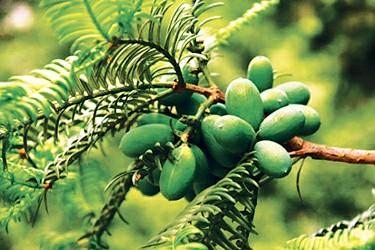
Coffee cultivation: what are the differences between different tree-shaped coffee beans in different producing areas?
There are four kinds of coffee trees in the world, of which only two are of real commercial value and are planted in large quantities. One is the Elaraby species (ARABICA), the other is the Robasta species (KOBUSTA). Different varieties of coffee beans have different flavors, but even the same varieties of coffee trees have their own unique flavors due to the influence of different soils and climates. Allah

Introduction to Rwanda Ngororero Laogrovo Coffee Variety: flavor characteristics of Rwanda Coffee
Professional coffee knowledge exchange more coffee bean information please follow coffee workshop (Wechat official account cafe_style) the beautiful country of thousands of hills Rwanda has a long and rich culture for growing highland coffee, mainly to grow high-quality Arabica coffee. Rwanda is one of the few countries in the world that can fully enjoy the harmony between soil elevation and climate. Lou
Speaking of coffee and raw beans,
If you want to know coffee, I think we should start with coffee beans, and they are raw coffee beans. Hehe:) I guess many friends, like me, will think of Nestle instant coffee and Starbucks coffee when it comes to coffee. There is no concept of coffee beans. Later, after climbing the net, we gradually realized that every cup of coffee we drink has to go through a very long process.

Comparison of regional characteristics of coffee beans in coffee producing areas / coffee bean producing areas in the world
Coffee has an inexplicably strong attraction to both literati and gluttons. Since you are so curious or passionate, let's take a look at which parts of the world produce coffee. The most complete knowledge of coffee producing areas in the world! Tools / raw materials the world's most important quality coffee producing areas / step 1, Asia 1. Indonesia (Indonesia) well-known representative coffee: claw
Starting with Coffee and Raw beans (1)
If you want to know coffee, I think we should start with coffee beans, and they are raw coffee beans. Hehe:) I guess many friends, like me, will think of Nestle instant coffee and Starbucks coffee when it comes to coffee. There is no concept of coffee beans. Later, after climbing the net, we gradually realized that every cup of coffee we drink has to go through a very long process.

Coffee flavors from different coffee producing areas around the world
Costa Rican coffee has full grains, ideal acidity and unique strong aroma. Tarrazu of Costa Rica is one of the major coffee producing areas in the world. Costa Rica, with its fertile volcanic soil and good drainage, is the first country in Central America to grow coffee and bananas for commercial value. Coffee and bananas are
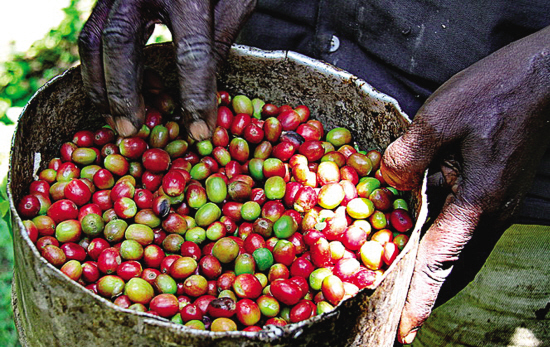
Delicious exotic African coffee African specialty coffee Taste African specialty coffee Taste characteristics
Nowadays, African single-product coffee occupies a place in Fuzhou coffee consumption market with its high-quality characteristics. The reporter learned from many cafes in Fuzhou that more and more people drink single-item coffee, many of whom choose African single-item coffee. Industry insiders believe that more and more people drink single-item coffee, indicating that the coffee consumption market is becoming more and more mature, and consumers 'understanding of coffee is constantly improving.
Delicious and exotic African coffee African boutique coffee African boutique coffee taste African boutique coffee
Nowadays, with its high-quality characteristics, African coffee has occupied a place in the coffee consumption market in Fuzhou. The reporter learned from a number of cafes in Fuzhou that more and more people drink individual coffee, and many of them choose African coffee. Industry insiders believe that more and more people drink individual coffee, which shows that the coffee consumption market is becoming more and more mature, and consumers' understanding of coffee is constantly raised.

Introduction of major coffee producing areas in the world
Coffee comes from coffee beans, which are harvested and processed from the fruit of trees. Coffee trees grow at the center of the equator, between latitudes of 25 degrees south and north, and are called the homes of tropical or subtropical countries called coffee belts. At present, there are about 60 coffee-producing countries. Coffee is produced in South America, Central America, the West Indies, Asia, Africa, Arabia, the South Pacific and

Introduction of major coffee producing areas in the world
Coffee comes from coffee beans, which are harvested and processed from the fruit of trees. Coffee trees grow at the center of the equator, between latitudes of 25 degrees south and north, and are called the homes of tropical or subtropical countries called coffee belts. At present, there are about 60 coffee-producing countries. Coffee is produced in South America, Central America, the West Indies, Asia, Africa, Arabia, the South Pacific and

The main coffee producing areas in the world introduce the types of fine coffee beans.
Coffee comes from coffee beans, which are harvested and processed from the fruit of trees. Coffee trees grow at the center of the equator, between latitudes of 25 degrees south and north, and are called the homes of tropical or subtropical countries called coffee belts. At present, there are about 60 coffee-producing countries. Coffee is produced in South America, Central America, the West Indies, Asia, Africa, Arabia, the South Pacific and
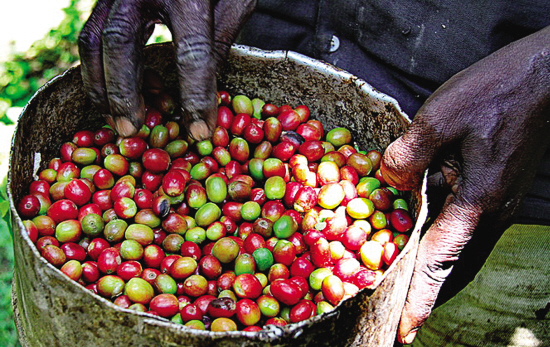
The taste and flavor of the wonderful and unique African boutique coffee are becoming more and more popular.
Nowadays, with its high-quality characteristics, African coffee has occupied a place in the coffee consumption market in Fuzhou. The reporter learned from a number of cafes in Fuzhou that more and more people drink individual coffee, and many of them choose African coffee. Industry insiders believe that more and more people drink individual coffee, which shows that the coffee consumption market is becoming more and more mature, and consumers' understanding of coffee is constantly raised.
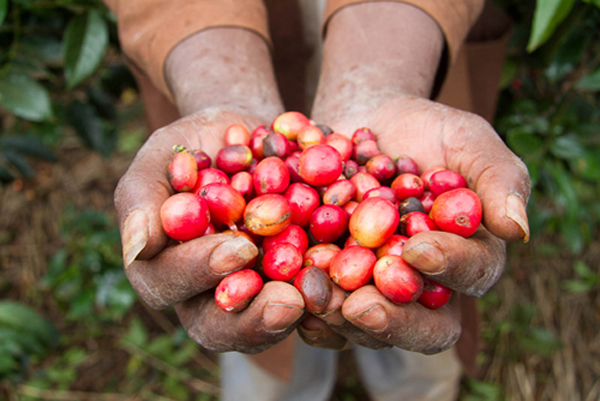
The most detailed introduction to coffee beans in the world. Coffee beginners must see the knowledge points
Coffee comes from coffee beans, which in turn are harvested and processed from the fruits of trees. Coffee trees grow at the equator as the center, between 25 degrees north and south latitude, known as the coffee belt tropical or subtropical countries home, coffee production countries currently have about more than 60 countries, coffee production in South America, Central America, West Indies, Asia, Africa, Arabia, South Pacific and
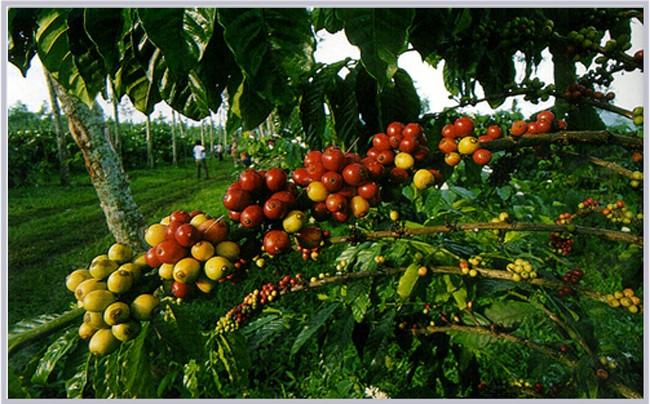
Coffee Estate Knowledge Points: Collection and classification of world boutique coffee estates in detail
Coffee comes from coffee beans, which are harvested and processed from the fruits of trees. Coffee trees grow at the equator as the center, between 25 degrees north and south latitude, known as the coffee belt in tropical or subtropical countries home, coffee beans are currently. Coffee comes from coffee beans, which in turn are harvested and processed from the fruits of trees. Coffee trees grow at the equator.

What are individual coffee beans? what are the types of coffee beans in the world? a complete collection of coffee beans.
Professional coffee knowledge exchange more coffee bean information Please pay attention to the coffee workshop (Wechat official account cafe_style) individual coffee beans refers to the classification of coffee beans, that is, a single variety of coffee beans from a single origin is called single product coffee beans. In principle, it has nothing to do with the type of coffee drinks made, but now when people refer to individual coffee, they refer to dripping coffee.

What brand of coffee beans? introduction to the main producing areas of coffee in the world and the types of representative coffee beans
Professional coffee knowledge exchange more coffee bean information please follow coffee workshop (Wechat official account cafe_style) Asian coffee bean origin: Indonesia (Indonesia) well-known representative coffee: Java, Sumatra Sumatra Mandheling) Indonesia produces coffee beans mainly in Java, Sumatra, Sulawesi, three islands

Stories of major producers of African coffee beans what are the characteristics of African coffee beans is African coffee expensive
Professional coffee knowledge exchange more coffee bean information Please pay attention to the coffee workshop (Wechat official account cafe_style) African coffee production currently accounts for only 13 per cent of global coffee production, down from 19-20 per cent in the 1960s and 1970s. According to the statistics of the International Coffee Organization (OIC), the total global coffee production in 2010 was 8 million tons, of which the proportion of African coffee was low. But the income from coffee is